

Living in a small space doesn't mean you have to miss out on having houseplants. The right plants can bring life to your compact space, adding beauty without taking over. Picking the best houseplants for small homes means thinking about light, care, and how they look. Here are some top choices.
ZZ 'Black Raven' - great for places with little light and for those with busy lives.
Peperomia 'Watermelon' - perfect for sunny spots and adds a burst of colour.
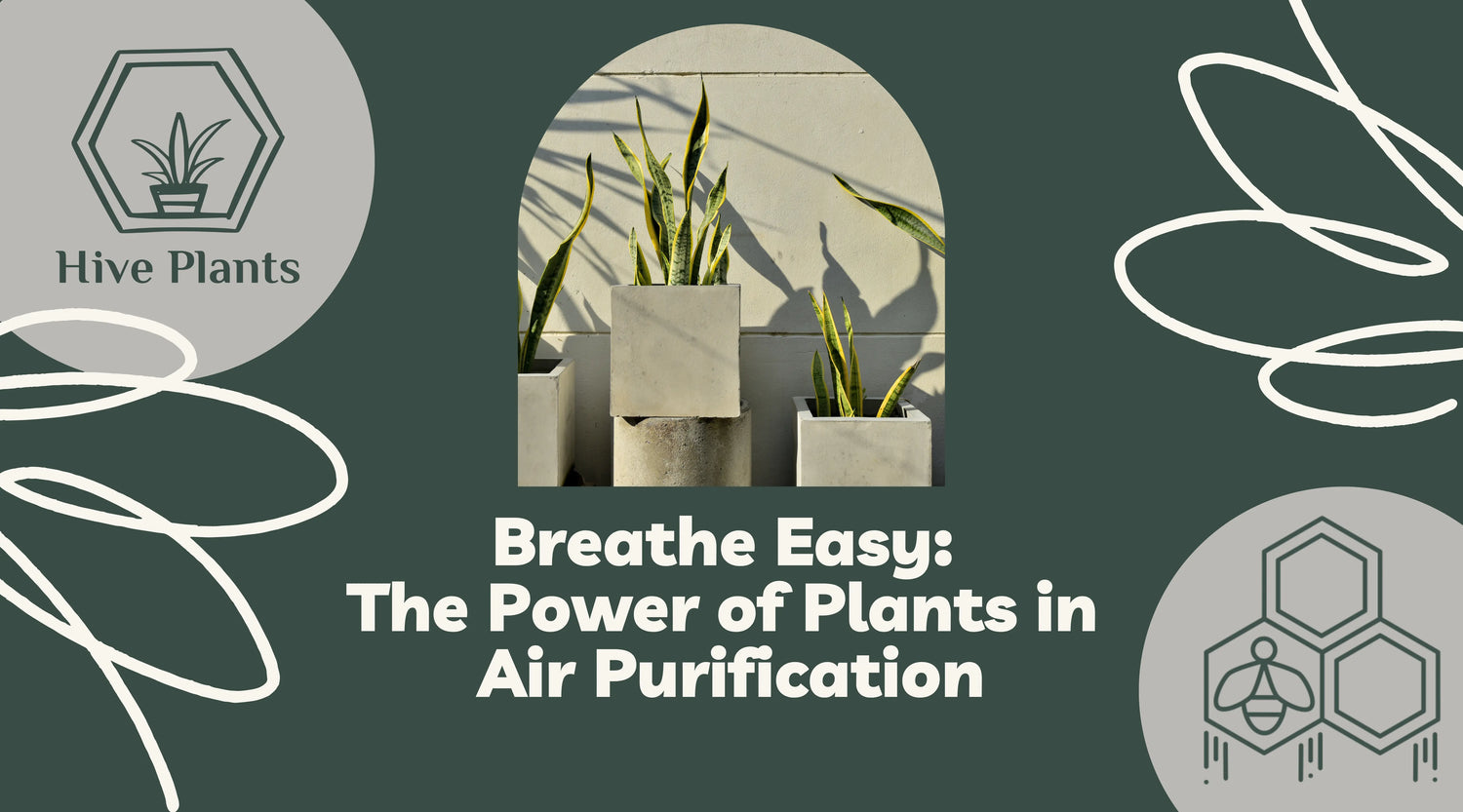
Snake Plant - a tough choice for beginners and those who forget to water.
Pothos - easy to look after and versatile, ideal for hanging baskets.
Spider Plant - wonderful for cleaning the air, fits well in most settings.
Choosing the Right Houseplants for Limited Space
When space is tight, picking the right houseplants is important. The trick is to choose plants that do well in small spaces without needing much care. Small types like the Pothos and Spider Plant are great picks. They fit nicely in smaller pots and make tight spaces look better.
The ZZ 'Black Raven' is another great choice for those with little room. Its unique dark leaves add a striking look, making it stand out on a shelf or table.
This plant is great for corners with low light. It gives a lush look without needing constant care. It can thrive in low-light areas, making it a good choice for flats with few windows.
For a splash of colour, try the Peperomia 'Watermelon'. Its unique leaf patterns can brighten any corner, and its small size means it won't take over your decor.
The bright green leaves with silvery stripes look like a watermelon rind, adding a fun yet stylish touch to your room. These plants are ideal for adding nature to your home without taking up much space.

Low-Maintenance Options for Busy Plant Lovers
For those with busy lives, low-care houseplants are very helpful. These plants need little attention but still look great. The Snake Plant is famous for being tough.
It can handle low light and doesn't need much water, making it perfect for people who travel a lot or have irregular schedules. Its upright, sword-like leaves give any room a modern look.
Also, the ZZ 'Black Raven' is a great choice for busy plant lovers. It does well in low light and only needs watering when the soil is completely dry.
This makes it an easy option for those who want plants without too much fuss. Its dark, shiny leaves are pretty and help reduce dust in your home.
Lastly, think about the Pothos. It's known for cleaning the air and doing well even if you forget about it. Its trailing vines can be trained to climb or hang down, offering different decor ideas.
The Pothos is a favourite among plant lovers because it fits well in many places. You can put it on a high shelf or hang it from a macrame holder. It's great for those who want houseplants but don't have much time for care.
Maximizing Light for Your Indoor Greenery
Getting the right light is key to keeping your indoor plants healthy. Some plants do well in low light, while others need bright, indirect sunlight.
Knowing the light in your flat helps you pick the right plants. For example, the Peperomia 'Watermelon' likes bright spots and can sit near a window with filtered sunlight.
Placing your plants in the right spot can make the most of the light you have. South or west-facing windows usually offer the best light. If your flat doesn't have much natural light, think about using grow lights.
Grow lights can help plants like the Peperomia 'Watermelon', which need bright conditions. They're a good choice for flats with few windows, making sure your plants get enough light all year.
The Spider Plant is another good choice for different light levels. It can handle anything from low to bright indirect light, which makes it very adaptable.
Choosing plants that match your light conditions keeps them healthy and bright all year. Turning your plants regularly also helps them grow evenly and stops them from leaning towards the light.

Watering Tips for Small-Space Plants
Watering is a key part of plant care. Overwatering is a common mistake, especially in small flats where there's less airflow. Let the soil dry out between waterings to prevent this.
This is especially true for plants like the Snake Plant and ZZ 'Black Raven'. These plants can handle dry conditions but may get root rot if given too much water.
A moisture meter can be a useful gadget to know when your plant needs watering. If you're not great with plants, these tools can help you water correctly.
Also, think about plants with thicker leaves, as they usually hold water better and need less frequent watering. Succulents and cacti are good examples, thriving with little water.
Try watering in the morning. This way, your plants can soak up the moisture before the cooler evening arrives.
By using these tips, you can keep your plants healthy without the worry of over or under-watering. It's generally safer to give too little water than too much, as most plants can bounce back from being dry but not from being soaked.
Repotting Essentials for Thriving Houseplants
Repotting is important for your houseplants' growth and health. Over time, plants can outgrow their pots, which can cause root-bound problems. Knowing when to repot is key to keeping your plants healthy.
Look for roots coming out of the drainage holes or plants not growing well. Repotting helps roots spread out and get more nutrients, leading to healthier leaves.
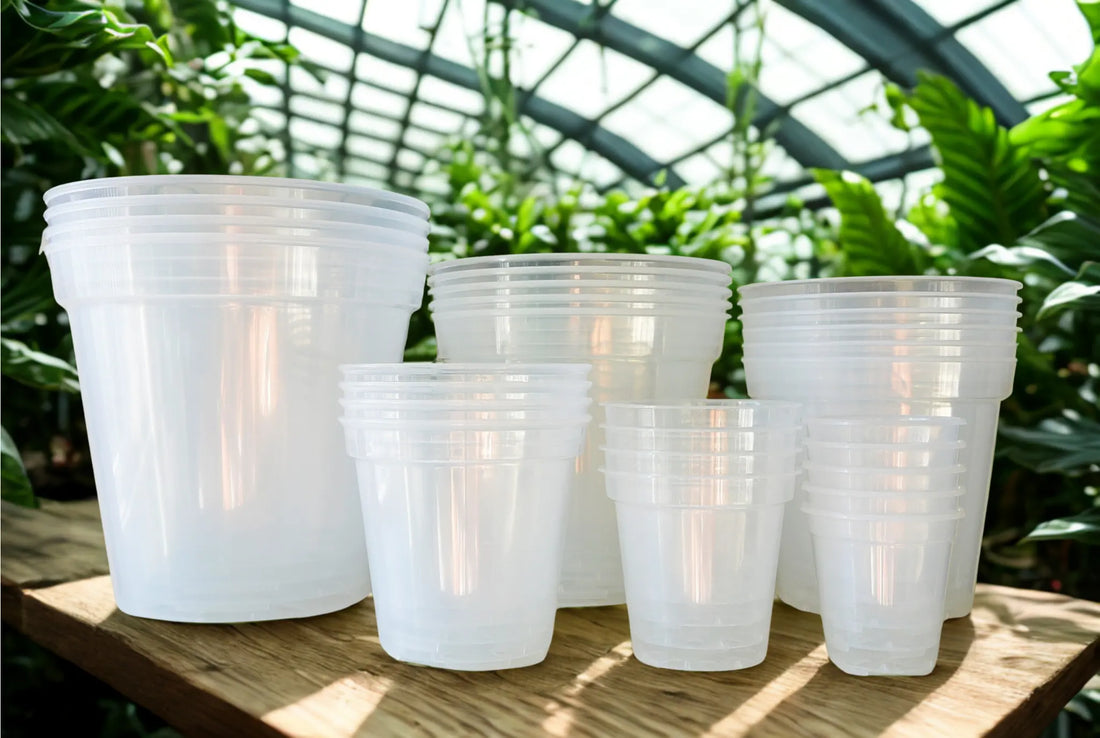
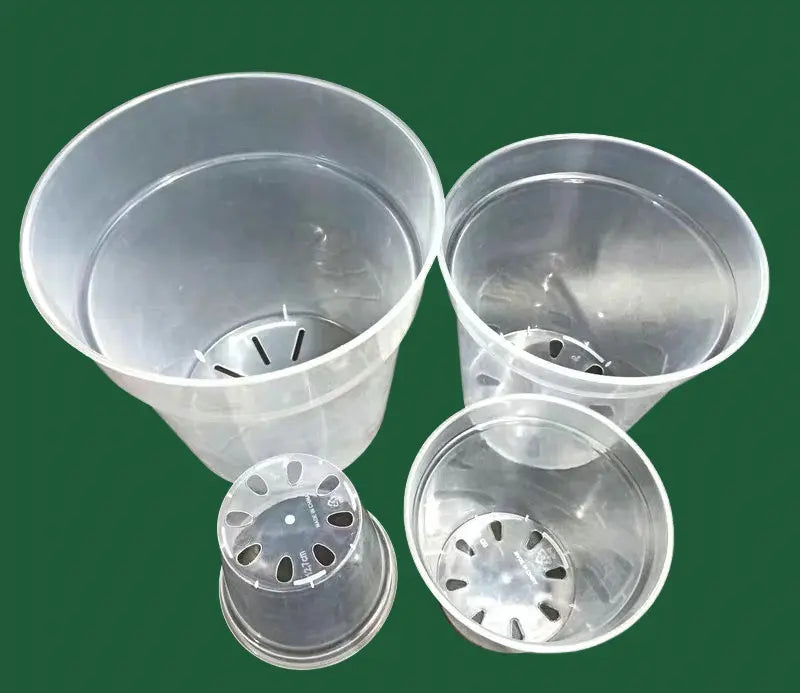
When you repot, pick a pot that's one to two inches wider. This gives your plant space to grow without stressing its roots.
Use fresh potting soil to give your plants the nutrients they need to grow. Choose a pot with drainage holes to stop water from building up, which can cause root rot.
Repotting is a good chance to check your plant's roots. Trim any dead or rotten ones before putting the plant in its new pot. Doing this helps your houseplants stay healthy in your flat. Regular repotting, usually every 1-2 years, keeps your plants looking lively.
Accessorizing Your Apartment with Plant-Friendly Decor
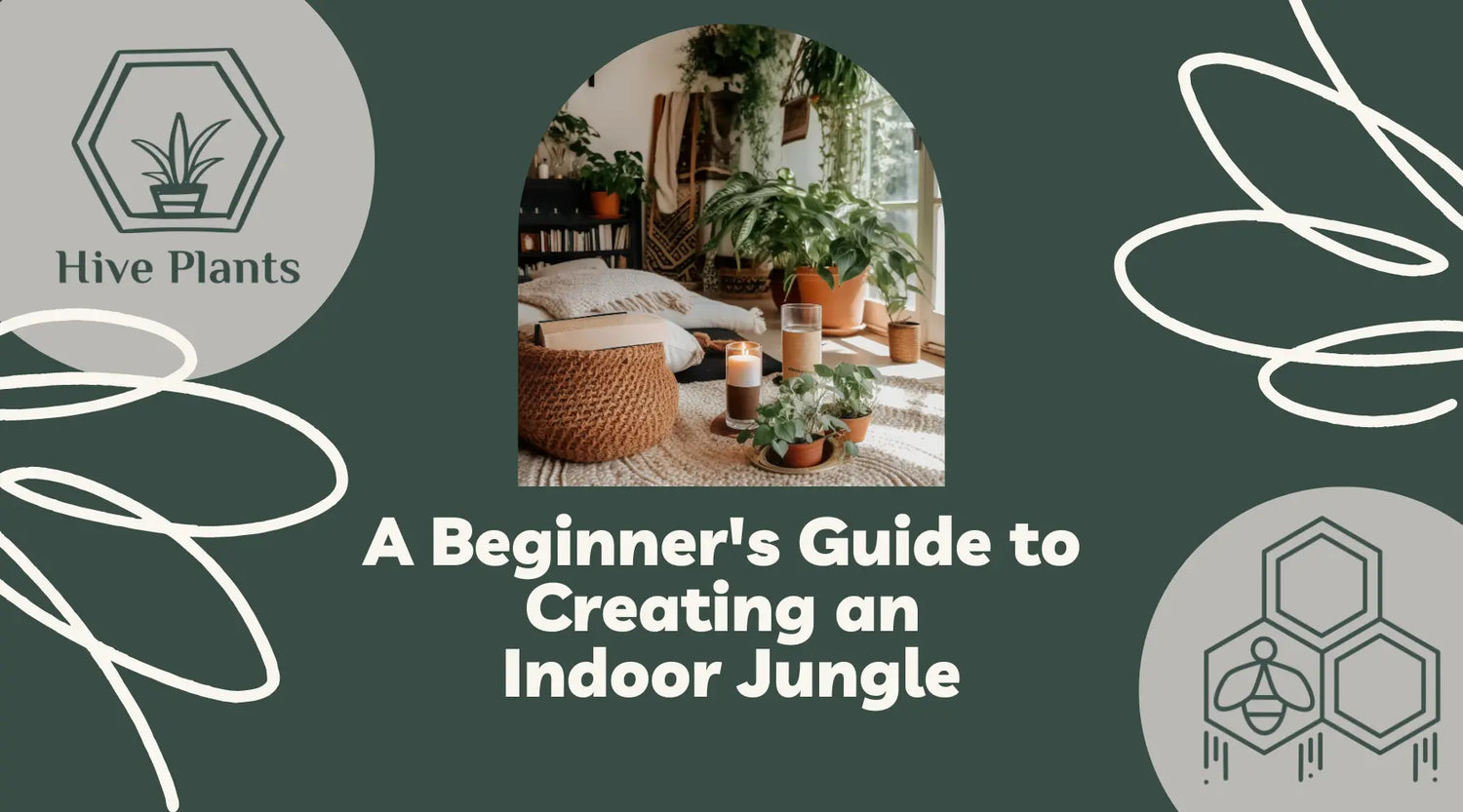
Adding houseplants to your decor can make your flat feel lush and welcoming. Use plant stands or shelves to show off your greenery at different heights. This makes things look interesting and saves space. Tiered plant stands are handy in small flats, letting you display several plants without using much floor space.
Macrame hangers are a stylish way to hang plants like the Pothos. You can hang them from the ceiling or mount them on walls, which saves floor space.
Decorative pots can make your plants look even better, turning them into a key feature in any room. Pick pots that match your style, whether it’s modern, rustic, or a mix.
Think about pairing your plants with decor like mirrors or artwork. This can create a unified look that improves the feel of your flat.
By choosing accessories carefully, you can have a lovely and practical space filled with houseplants. Mirrors can also bounce light around, brightening up darker corners where plants are.
Frequently Asked Questions
What are the best houseplants for low-light apartments?
Great houseplants for low-light areas include the Snake Plant, ZZ 'Black Raven', and Pothos. These plants do well with little natural light, so they're perfect for flats with not much sunlight. They are easy to care for and popular with both new and experienced plant lovers. (FAQ)
How often should I water my houseplants?
How often you water depends on the type of plant and where it is. Generally, houseplants like the Snake Plant and ZZ 'Black Raven' need watering only when their soil is completely dry. A moisture meter can help you know when it's time to water. It's important to learn what each plant needs so you don't overwater, which is common in small spaces. (FAQ)
Why is my plant not growing well?
If your plant isn't doing well, it might need more light or fresh soil with nutrients. Check if it's root-bound and think about repotting with new soil. Make sure it's in the right light for its type. Dusting the leaves regularly can also help with photosynthesis and keep the plant healthy. (FAQ)